MOEX: How IPOs are Processed, Bookbuilding, and Settlements
The Role of the Moscow Exchange and Features of Russian IPOs
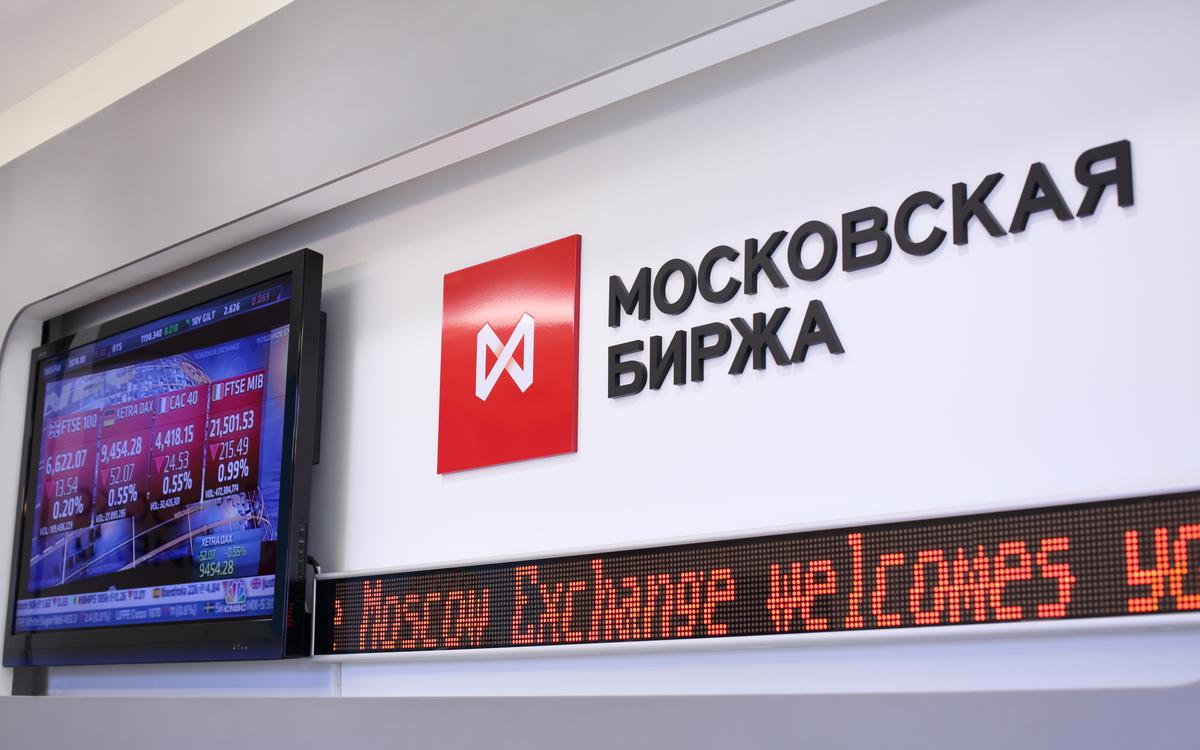
Initial public offerings (IPOs) on the Moscow Exchange represent a multi-stage process of transforming a private company into a public entity, granting access to capital from a wide array of investors. Over the last decade, the Russian IPO market has experienced several waves of activity, and today, the Moscow Exchange is at the forefront of Eastern European trading venues, offering issuers a complete range of infrastructure services from listing to post-trading support. The mechanism for conducting IPOs on MOEX aligns with international standards, largely borrowing from the best practices of the London Stock Exchange, thereby making Russian placements understandable and attractive to global institutional investors. At the same time, the exchange adapts its procedures to the specifics of Russian legislation and local market characteristics, creating a hybrid model that combines Western standards of transparency while considering national regulatory requirements.
Preparing a Company for Going Public
IPO Exit Strategy
The decision to conduct an IPO is never made spontaneously; it is the result of long-term strategic planning that can take anywhere from several months to several years. Companies turn to public markets for various reasons: some require capital to scale their businesses or realize major investment projects, others seek to provide liquidity to existing shareholders, while some view public status as an opportunity to bolster corporate reputation and trust from partners and clients.
Selecting Underwriters
The first critical decision is the selection of underwriters—investment banks that will accompany the entire transaction from beginning to end. In Russian practice, for large IPOs exceeding several billion rubles, companies typically form a syndicate of several banks, with one acting as the lead underwriter or bookrunner, while others serve as co-managers. This structure enables the distribution of placement risks and ensures a broader reach to potential investors due to the client base of multiple financial institutions.
Timelines and Corporate Transformations
Timelines for Russian IPOs vary significantly based on the transaction's complexity and the company's readiness. The minimal timeframe from the decision-making to the commencement of trading is three to four months for relatively straightforward transactions when a company lists existing shares solely on the Moscow Exchange without simultaneous overseas listings. However, most IPOs require six to nine months of preparation, while the most complex transactions with an international component may stretch to a year or more.
Legal Structure and Due Diligence
Russian corporate legislation imposes strict requirements on the legal structure of issuers planning a public offering. The company must be transformed into a public joint-stock company, which necessitates approval from a qualified majority of shareholders—75% of the votes when re-organizing from a non-public joint-stock company or unanimous consent from all members when converting from a limited liability company. Such stringent requirements safeguard the rights of minority shareholders and ensure the integrity of strategic corporate decisions.
Financial Model and Investment Narrative
Alongside legal procedures, the company undergoes a comprehensive financial and legal audit—due diligence—organized by the underwriters along with external auditors and legal advisors. This process can uncover potential risks that need to be addressed prior to the offering, ranging from documentation gaps to complex tax structures or unregulated litigation disputes. The results of due diligence directly affect the company's valuation and its investment attractiveness. A central element of preparation is the development of a detailed financial model and investment narrative, referred to in professional jargon as the equity story. This is not merely a set of financial forecasts but a coherent narrative about why this business deserves investors' attention, what competitive advantages it possesses, how it plans to grow, and what returns it can deliver to shareholders. A compelling investment story can substantially enhance demand for shares and justify a premium valuation of the company.
Listing and Requirements of the Moscow Exchange
Hierarchy of Listing Levels
The listing system of the Moscow Exchange is built upon a three-tier hierarchy, where each level reflects the degree of reliability and investment appeal of the securities. The third level represents a basic admission to organized trading with minimal requirements, while the second level entails stricter criteria regarding financial transparency and corporate governance. The first level represents the highest echelon of listing, only accessible to the most reliable and major issuers.
The Importance of the First Level for Institutional Investors
Belonging to the first-level listing has significant practical implications for Russian companies, as only such securities can be included in the portfolios of non-state pension funds in compliance with regulatory requirements. Given that pension funds represent the largest segment of institutional investors in the Russian market, first-level listing often becomes a prerequisite for the successful placement of a substantial volume of shares.
Quantitative Requirements and Distinction Between Listing and IPO
The quantitative criteria for inclusion in the first level of listing are quite stringent and filter out smaller companies. The minimum volume of shares in free circulation must be at least 3 billion rubles, with the share of such shares in the total number of ordinary shares not being less than 10%. These requirements ensure sufficient liquidity of the securities and prevent price manipulation by majority shareholders. For the second level, the threshold is reduced to 1 billion rubles and the same 10% free-float, making it accessible for medium-sized companies. It is important to understand the difference between listing and IPO, as these terms are often confused even by experienced market participants. Listing involves the inclusion of securities in the exchange's list and their admission to organized trading, while IPO refers to the process of initial placement and sale of shares to investors. A company can obtain listing without conducting an IPO if its shares are already traded on another recognized international exchange and meet the requirements of the Moscow Exchange—this is referred to as secondary or direct listing.
Company Lifespan and Reporting Requirements
The exchange's requirements regarding the lifespan of the company also vary by level: for the first level, the company must have been operating for at least three years, while for the second level, one year is sufficient. These constraints are designed to ensure a sufficient operational history and audited financial reports over several periods, allowing investors to adequately assess the business and its prospects.
Bookbuilding and Pricing Mechanism
The Process of Pricing the Offering
Bookbuilding is regarded as the most complex and responsible stage of the entire IPO process, as it is where the price at which the company will sell its shares to investors is determined. The procedure begins with setting an indicative price range—a corridor within which the final offering price is expected to fall. This range is calculated by the underwriter's team of analysts based on a fundamental valuation of the company and an analysis of current market conditions.
Marketing Campaign and Road Show
Before the offering collection period opens, the placement organizers conduct an extensive marketing campaign, the central element of which is the Road Show—a series of presentations for potential institutional investors in key financial centers. In a typical Road Show for a large Russian IPO, the company's senior management, accompanied by representatives of the underwriters, will tour Moscow, St. Petersburg, London, New York, and other cities over two to three weeks, holding dozens of meetings with funds, asset managers, and large private investors.
Investment Narrative and Analytical Reports
Each meeting during the Road Show features a detailed presentation of the company's business model, competitive advantages, financial metrics, and growth strategy. Investors pose tough questions regarding the business risks, quality of corporate governance, plans for using the raised capital, and expected returns on investment. Investors' reactions during the Road Show provide organizers with initial insights into demand and could lead to adjustments in the initial price range even before the official start of the bookbuilding process. Analysts from the syndicate of underwriters prepare comprehensive research reports containing a thorough evaluation of the company, industry analysis, positioning against competitors, and investment recommendations. These documents are distributed among the institutional clients of the banks and serve as a basis for investment decisions. The quality of the analytical work directly influences how the IPO is perceived by the professional community.
Order Book and Range Reevaluation
The bookbuilding process typically lasts from several days to two weeks, during which investors submit requests specifying the desired number of shares and their maximum purchase price. The placement organizers consolidate these requests into a single "order book," which represents a schedule of aggregate demand at various price levels. If demand at the upper limit of the range exceeds supply several times (creating oversubscription), this may prompt an increase in the offering price above the initial range.
Methods for Valuing the Company for IPO
The evaluation of the company in preparation for the IPO is carried out using multiple methods, the results of which are then compared to determine fair value. The discounted cash flow method involves constructing a detailed financial model over a five to ten-year horizon, forecasting future free cash flows, and then discounting them to their present value using the WACC rate. The terminal value of the company, reflecting its worth beyond the forecast period, is typically calculated using the perpetuity growth model or based on exit multiples. The comparable companies method is based on applying market multiples of public peers to the financial metrics of the business being assessed. Analysts select a group of companies with similar business models, sizes, and geographical presence, calculate key multiples such as P/E, EV/EBITDA, or EV/Sales, and then apply the median or weighted average values to the issuer's corresponding metrics. Choosing the right group of comparable companies is critical for achieving an accurate assessment.
Allocation and Fair Distribution
Principles and Systems for Allocating Shares
After closing the order book and determining the final offering price, the moment of truth arrives—allocation, meaning the distribution of available shares among all investors who submitted requests. In cases of significant oversubscription, where aggregate demand far exceeds supply, allocation decisions become extremely sensitive and can impact the long-term success of the offering.
Traditional Approaches and Risks of Opacity
Traditionally, placement organizers had broad discretionary powers in distributing shares, leading to potential abuses. Shares could be allocated in favor of "friendly" clients, short-term speculators ready to quickly sell the securities for profit (a practice known as flipping), or to benefit the underwriters themselves. Such opacity undermined trust in the IPO market and deterred serious long-term investors.
Innovative Mechanisms of the Moscow Exchange
The Moscow Exchange has made significant strides in enhancing the transparency of the allocation process by developing an innovative "Smart Allocator" system. This technological platform allows issuers and organizers to set clear, objective rules for distributing shares in advance and automatically applies them to all incoming requests. Criteria may include the size of the request, declared investment horizon, investor participation history in prior placements, and their behavior in the secondary market. The new IPO standards on the Moscow Exchange require participants to publicly disclose the principles of allocation before the onset of bookbuilding. Investors must understand the rules by which shares will be allocated, enabling them to formulate their requests more deliberately and reducing the risk of post facto complaints about unfair distribution.
Segmentation and Engagement with Different Groups of Investors
In Russian IPO practices, segmentation of the pool of shares offered often occurs between institutional and retail segments. Retail investors submitting requests through brokerage accounts may be allocated a guaranteed share of the overall offering with special allocation conditions, such as priority given to small requests or proportional distribution within their segment. This ensures the IPO's accessibility to a broad range of private investors and helps establish a diversified shareholder base. The institutional portion is usually allocated with an emphasis on attracting high-quality long-term investors—pension funds, insurance companies, sovereign wealth funds, and large asset managers. Organizers strive to achieve a balance between maximizing demand and creating a stable shareholder base capable of supporting stock prices post-trading on the secondary market.
Settlements, Clearing, and Commencement of Trading
Technical Infrastructure for Settlements
The final stage of an IPO involves the technical execution of transactions—settlements between investors and the issuer—which are carried out through the infrastructure of the National Settlement Depository. The NSD performs critical functions as a central depository and clearing center, ensuring simultaneous and secure transfer of securities and funds between the parties involved. The process begins at the stage of submitting requests to participate in the IPO when brokers block the necessary amount of funds in the accounts of their investor clients. This blocking guarantees that at the time of allocation, the investor will have sufficient funds to pay for the allocated shares. The amount blocked is calculated based on the maximum possible allocation of the submitted request and the upper limit of the offering price range.
Clearing and Execution of Settlements
After the allocation is completed and the final results of the distribution are confirmed, the NSD conducts clearing—the process of reconciling and settling mutual obligations of all participants in the settlements. Clearing identifies the net positions of each participant with respect to cash and securities that require final execution. Multilateral netting significantly reduces the number of actual payments and deliveries, enhancing the efficiency of the settlement system. The actual execution of settlements from the IPO occurs on a "delivery versus payment" basis, where the withdrawal of funds from investors and the crediting of stocks to them happen simultaneously and atomically. This mechanism completely eliminates the risk that one party will fulfill its obligations while the other will not. The Russian settlement infrastructure ensures a high level of reliability for such operations thanks to modern technologies and critical systems redundancy.
Settlement Cycle and Trading Commencement
The standard settlement cycle on the Russian stock market is T+2, meaning final execution occurs on the second business day after the deal is concluded. However, modified schemes may apply for IPOs depending on the structure of the offering, regulatory requirements, and the issuer's preferences. After shares are credited to the investors' depository accounts and unused funds are unlocked (in cases of partial allocation of requests), free trading of shares in the secondary market begins. A significant milestone in the development of the Russian IPO market occurred with legislative changes in 2015, allowing conditional trading of certain foreign securities akin to the practices of the London Stock Exchange. Prior to this, Russian law prohibited commencing trading of shares until full payment and registration of the issuance were completed, creating challenges during combined placements on multiple exchanges simultaneously. The liberalization of regulations has facilitated the integration of the Russian market into the global financial system.
The Future of IPOs on the Moscow Exchange
Development Prospects and Technological Innovations
The Moscow Exchange continues to develop and enhance the infrastructure for conducting public placements, implementing new technologies and raising standards of transparency. The modern IPO process on MOEX represents a complex but well-functioning system that merges international best practices with consideration for the nuances of the Russian regulatory environment and market landscape. For companies, this means the opportunity to attract significant capital for business development and increase their capitalization, while for investors, it presents a chance to participate in placements under predictable and fair conditions with reliable protection of the rights and interests of all parties involved.